Salicylic acid signaling pathway and its connection with other plant signaling systems
Salicylic acid (SA) is a phytohormone known to regulate many physiological processes such as seed germination, cell expansion, respiration, stomata closing, senescence and fruit yield. It also participates in response to abiotic stress factors and is one of the most important molecules regulating plant’s reaction to infection. There are two known SA biosynthetic pathways in plants. Most of SA produced upon infection is synthesized via the isochorismate pathway, where the isochorismate synthase (ICS) is a main enzyme. Key protein in the SA signaling pathway is NPR1 (nonexpressor of pathogenesis related 1).
We study the cross-link between the SA biosynthesis/signaling and other plant signaling systems and general metabolism.
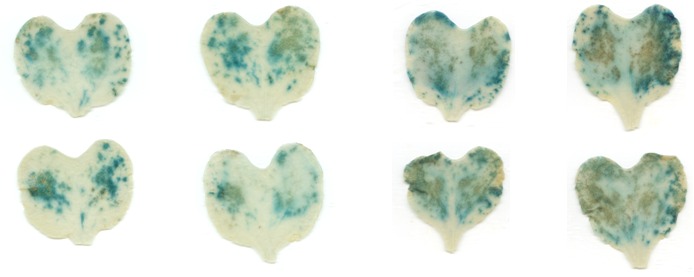
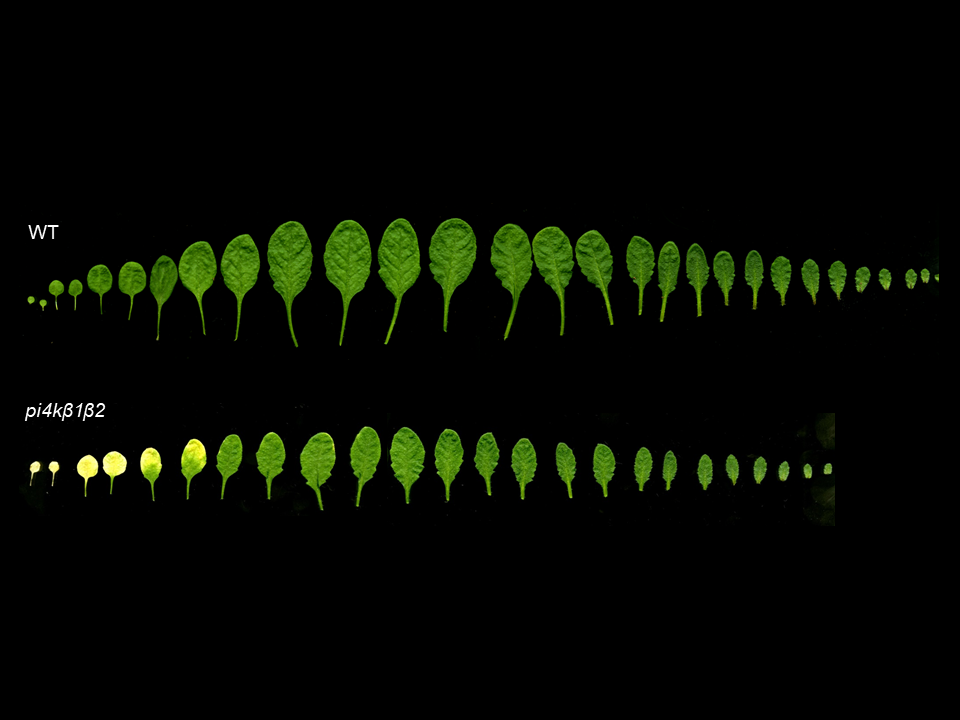
1) connection of SA signaling with phospholipid signaling. Based on our findings, some of the key players in lipid signaling and endomembrane trafficking, phosphatidyl inositol-4-kinases β1 and β2 (PI4Kβ1/β2) enzymes are negative regulators of SA biosynthesis. That this effect depends on functional SA signaling (Šašek et al. 2014; Janda et al. 2014), and involves general hormone reprofiling (Kalachova, Janda et al., 2020) and proteome modifications (Junková et al., 2021). We are now aiming to find out the molecular background of this link.
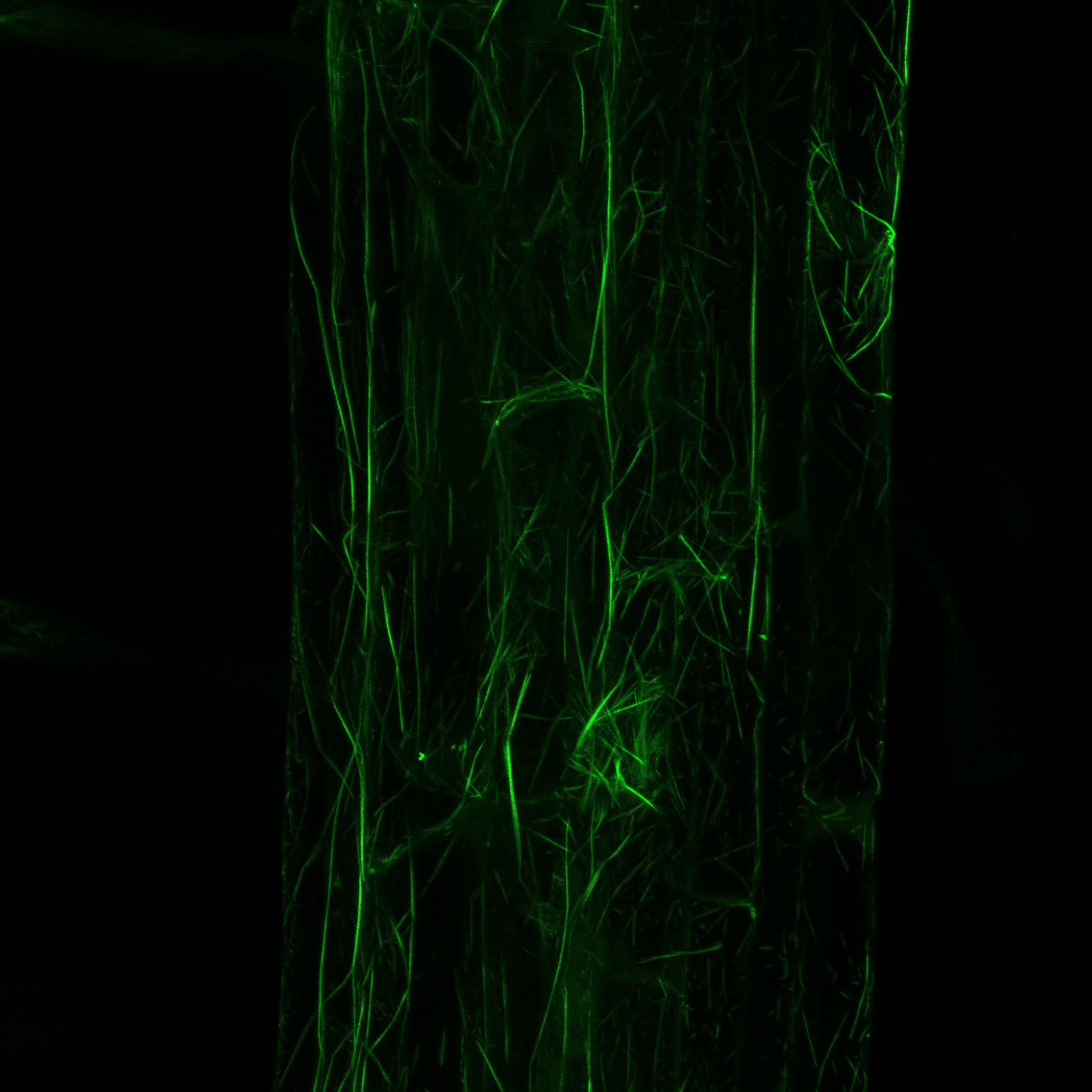
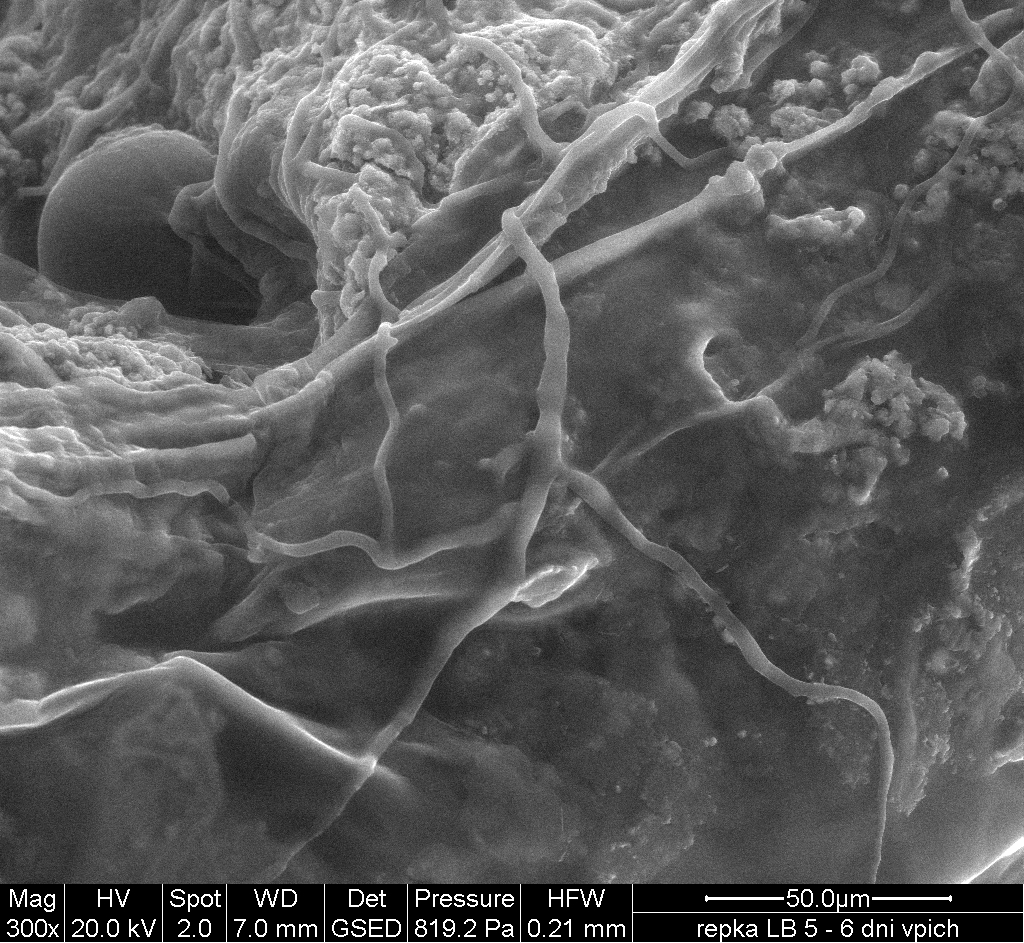
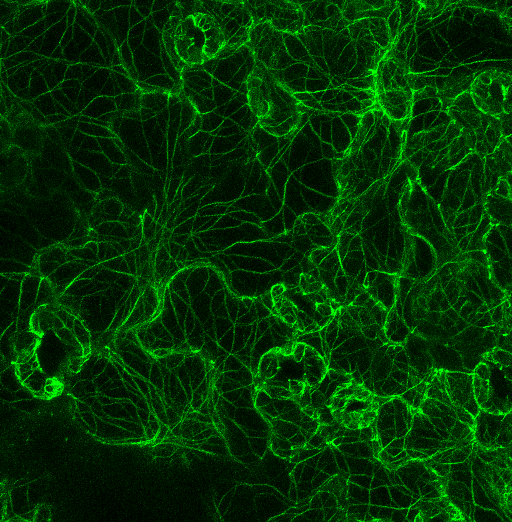
2) connection with the SA signaling with the actin cytoskeleton. We have found that SA signaling is activated rapidly after actin cytoskeleton dynamics is disrupted, and that SA itself can affect the actin cytoskeleton dynamics (Matoušková et al. 2014). Such disruption is sufficient to prime plant resistance to the further infection (Leontovyčová et al., 2019). Going into details, we discovered that such perception requires functional phospholipid turnover (Kalachova et al., 2019). Nevertheless, the question of how plants perceive actin cytoskeleton disruption and the matter of why the SA pathway is affected remains open (Leontovyčová et al., 2020).
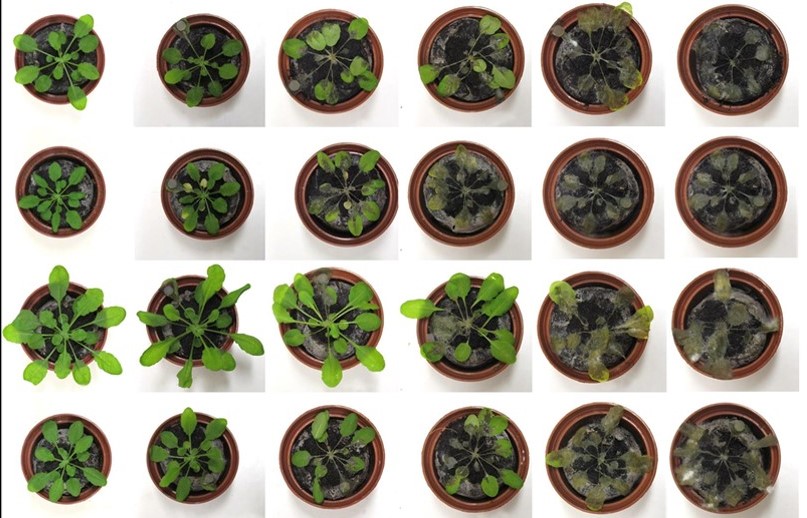
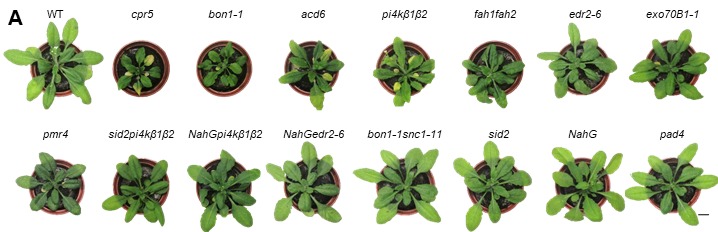
3) connection of endogenous SA level and plant growth. It has been often mentioned that plants with constitutively high levels of SA are small and might experience early senescence (Pluhařová et al., 2019). On the other hand, if the SA signaling remains intact, SA-overaccumulators are also more resistant to biotrophic pathogens. Till now, the reasons of it are still unclear. We have established a collection of SA-overaccumulating mutants, to dissect the mechanisms of how SA level is sensed and how exactly it causes the metabolic changes.
Studied areas cross-linking with SA signaling marked in red
PLD phospholipase D PA phosphatidic acid SA salicylic acid NPR1 nonexpressor of pathogenesis related 1 PAD4 phytoalexin deficient 4 EDS1 enhanced disease susceptibility 1 ROS reactive oxygen species PI4K phosphatidylinositol-4-kinases β1 a β2 PRR pattern recognition receptors